Semi Truck Repair with Comprehensive Diagnostics and Repairs
Efficient Semi Truck Service: Return Back on the Road Quickly
Efficient repair of long-haul trucks is crucial for sustaining operational efficiency. Downtime often results in notable financial losses, which impact delivery schedules and customer satisfaction. Common issues like engine and transmission failures can happen without warning. Implementing consistent procedures and enhancing technician training can help mitigate these problems. Still, comprehending the nuances of choosing the right repair service and utilizing technology for efficiency is essential for keeping fleets on the road.
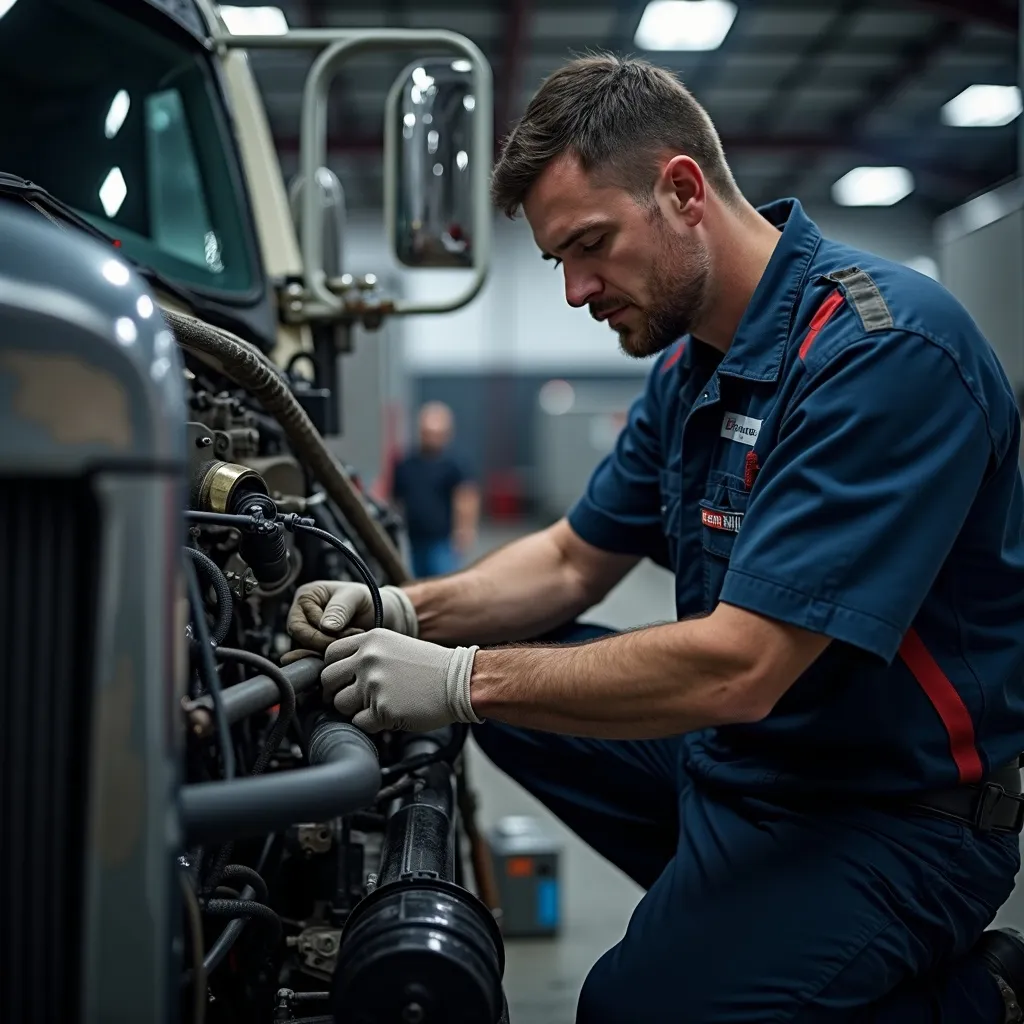
General Problems That Create Service Interruptions
Downtime in semi trucks often stems from several common issues that can disrupt operations. One frequent reason is engine breakdown, which can arise from insufficient upkeep or oil issues. Gearbox issues also frequently occur, causing shifts that are rough or delayed, and in severe cases, complete breakdowns. Additionally, tire deterioration and breakdown can stem from improper inflation or misalignment, creating safety risks and operational delays. Electrical system malfunctions, such as battery failure or defective wiring, can strand drivers immobilized. Brake system issues, including degraded pads or fluid loss, are critical to fix promptly due to their impact on security and compliance. Moreover, fuel system issues, such as clogged filters or injector malfunctions, can impede performance. Each of these issues can greatly affect a truck fleet's efficiency, leading to lost time and increased costs if not resolved quickly and effectively.
Why Quick Repairs Are Essential for Your Bottom Line
Rapid upkeep are important for sustaining a trucking operation's bottom line. When a semi truck is out of commission, revenue decreases with each hour it remains idle. Expedited repairs minimize downtime, allowing drivers to resume to their routes and meet delivery schedules. This operational performance not only preserves the trust of clients but also enhances the company's credibility in a demanding market.
Furthermore, rapid repairs can prevent more expensive, substantial challenges from developing. Handling small issues swiftly helps sustain the overall state of the fleet, decreasing extended repair expenses. Fleet operators who prioritize rapid repairs often observe that their running costs decrease, resulting in improved profit margins.
In the end, speedy maintenance are not merely a benefit; they are a strategic necessity. By keeping vehicles mechanically sound without excess downtime, trucking companies can sustain their bottom line and stay relevant in an industry where time is money.
Best Practices for Enhancing Your Truck Repair Workflow
Streamlining the truck repair process requires a systematic framework that focuses on efficiency and order. One sound strategy is to set up a detailed inventory management system. By maintaining an precise stock list of parts and tools, repair shops can lower wait times for necessary components. Another key approach is standardizing repair procedures. Instituting clear protocols for common maintenance can boost workflow and lower the risk of errors.
Additionally, investing in training for technicians ensures they are skilled with the latest repair techniques and technologies, resulting in quicker turnaround times. Utilizing diagnostic tools can also accelerate the troubleshooting process by pinpointing issues more accurately. Finally, effective communication between drivers and repair teams is critical; real-time updates about vehicle status can help prioritize repairs based on urgency. By combining these approaches, truck repair processes can become more efficient, ultimately leading to reduced downtime and increased operational efficiency.
Steps to Identifying the Best Service Company for Your Trucks
How might operational supervisors guarantee they identify the most trustworthy maintenance company for their commercial units? Initially, they should review the vendor's reputation by seeking reviews and testimonials from other truck companies. A strong track record in timely repairs and customer satisfaction is paramount. Next, consider the qualifications of the repair specialists. Authorized technicians with focused preparation in semi truck repairs provide premium service quality.
In addition, evaluate the range of options presented. A thorough repair shop can handle various problems, from basic maintenance to advanced problem-solving, lessening downtime. It's also critical to question guarantees regarding parts and labor, which can reflect the shop's commitment to quality.
To summarize, take into account the position and accessibility of the service. A local shop that delivers 24/7 service can substantially decrease wait times and keep trucks on the road. By embracing these guidelines, fleet managers can make strategic decisions that amplify operational efficiency.
Prevention Service Tips to Reduce Breakdowns
Maintenance that is proactive is required for reducing breakdowns in semi trucks and sustaining fleet reliability. Scheduled evaluations must be executed to assess important elements like brakes, tires, and fluid levels. Watching tire pressure and tread wear stops tire issues and improves fuel efficiency.
In addition, periodic oil changes and filter replacements are vital for engine performance. Keeping a clean air filter promotes ideal airflow, enhancing fuel economy.
Drivers should also be instructed in pre-trip checks, identifying any abnormalities that might cause issues on the road. Maintaining manufacturer-suggested maintenance schedules helps identify possible issues before they get worse.
In conclusion, maintaining records of all maintenance operations creates a solid track record that supports forecasting future needs and identifying recurring trends. By putting preventative measures into action, fleet operators can considerably cut down the possibility of unforeseen failures, ensuring that trucks keep operating at full capacity.
Capitalize on Innovative Tools to Strengthen Repair Output
Implementing advanced systems can greatly improve the performance of semi truck repairs. Professional testing equipment enable mechanics to swiftly identify issues, reducing the time devoted to troubleshooting. Software tools can optimize inventory management, guaranteeing that necessary parts are readily accessible, thereby reducing delays.
Telematics systems deliver real-time data on car operation, enabling preventive upkeep and timely repairs. By analyzing this data, fleet operators can prioritize repairs based on severity and operational consequences.
Moreover, fleet service units supplied with technology allow on-site services, reducing downtime stemming from transporting trucks to repair shops. VR technology and AR technology can also facilitate training mechanics, developing their skills without risking costly errors.
Frequently Requested Questions
How Often Should I Book Service for My Semi Truck?
A semi truck needs pertinent details upkeep every 10,000 to 15,000 miles, or every six months, whichever comes first. Consistent reviews of vital systems ensure top-tier performance and security for long-distance operations.
Which Implements Are Important for Fundamental Truck Service?
A set of sockets, wrenches, pliers, screwdrivers, tire pressure gauge, hammer, and a jack are necessary equipment for fundamental truck maintenance. In addition, having a multimeter and basic diagnostic tools can significantly help in troubleshooting issues.
How do I find a phone repair provider?
To identify a mobile repair service, one can search web databases, examine client testimonials, and seek suggestions from fellow truck drivers. Additionally, local trucking associations may supply reliable service contacts in the area.
What Forms of Warranties Prove Usually Available on Truck Repairs?
Generally, warranties on truck repairs span 30 days to one year, covering parts and labor. Certain companies may offer extended warranties, guaranteeing long-term dependability and customer contentment, based on the specific repair and service provider.
What Steps Should I Take to Handle Repair Costs With My Insurance?
To manage damage expenses with insurance, one should review the plan for coverage specifics, inform the insurer promptly about the claim, and keep comprehensive documentation of costs and correspondence for a smoother claims submission.